Early Technical Assessment
Identify the central engineering questions, available evidence, missing information, feasible analyses, and potential technical strengths or weaknesses.

Independent Technical Investigation
MicroFab provides independent technical analysis, failure investigation, expert consulting, and litigation support for electrical and electronic products, semiconductor and microelectronics technologies, devices, materials, fabrication and manufacturing processes, equipment, technical disputes, and other matters requiring evidence-based engineering evaluation.
A useful investigation must distinguish observed facts from assumptions, test competing explanations, and connect any opinion to reliable engineering analysis. MicroFab structures each engagement around the technical questions, applicable evidence, required work, and decisions the client or counsel must make.
Identify the central engineering questions, available evidence, missing information, feasible analyses, and potential technical strengths or weaknesses.
Review technical records, drawings, specifications, designs, photographs, data, test results, patents, correspondence, procedures, and relevant physical evidence.
Examine failure mechanisms, operating history, design and manufacturing factors, environmental conditions, interfaces, reliability, and competing causal explanations.
Define technically useful inspections, measurements, simulations, experiments, exemplar testing, or laboratory work and evaluate the resulting data.
Develop clear, supportable engineering findings and explain the reasoning, evidence, limitations, and alternative explanations relevant to each opinion.
Assist counsel with technical preparation, demonstrative concepts, examination issues, rebuttal analysis, deposition support, and testimony when retained for that role.
Define the questions, scope, relevant disciplines, evidence, deadlines, confidentiality requirements, and expected work product.
Organize and examine the technical record, physical evidence, system behavior, operating conditions, tests, standards, and literature.
Evaluate hypotheses using engineering principles, calculations, simulations, testing, comparisons, and consideration of alternative explanations.
Present findings clearly through consultation, written analysis, reports, deposition support, demonstratives, or testimony as required.
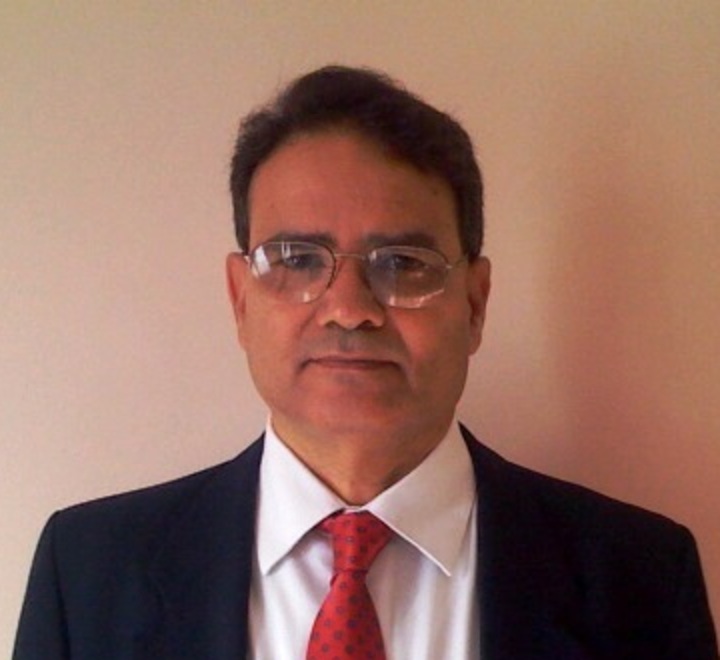
Professional Engineering License: 062049152
Professor Ibrahim Abdel-Motaleb is a registered professional engineer and professor of electrical engineering whose experience includes electrical and electronic systems, semiconductor devices and fabrication, integrated circuits, electronic materials, modeling and simulation, manufacturing, reliability, failure analysis, and expert-witness work.
Representative matters have involved barium-titanate sensors used in refrigeration systems, LED lighting, fuel-cell technologies, component and solenoid failures, semiconductor devices and processes, patents, test results, technical records, and the engineering performance of products and equipment. His expert-witness experience includes courtroom testimony.
Failure investigations may overlap with facility electrical systems, semiconductor technologies, or multidisciplinary scientific work.
Provide the matter name, parties for a conflict check, general technical subject, current procedural or project stage, important deadlines, and the type of assistance being considered. Do not send confidential documents until the engagement and secure transfer method are confirmed.
Request an Initial Discussion